
The Anatomy of an Inclusive Space: Why Sensory-Friendly Details Matter in a Restaurant
The way a space is designed communicates something to every person who enters it long before a single word is spoken or a menu is read. For individuals with sensory sensitivities, cognitive differences, physical disabilities, or social anxiety, those unspoken environmental messages can be the difference between an experience that feels welcoming and one that feels impossible to navigate. Most dining establishments are designed with average sensory tolerances in mind, leaving a significant portion of the population without spaces where they can fully participate in the social ritual of sharing a meal with people they care about. Understanding what truly inclusive design looks like in a restaurant setting helps communities appreciate why these spaces matter and why building them requires intentional choices at every level of the experience.
Recognizing How Few Restaurants Currently Prioritize Inclusivity
According to TouchBistro, 9 in 10 restaurants have fewer than 50 employees, which reflects the small-business nature of most dining establishments and highlights how operational constraints can make it difficult for owners to invest in the specialized design and staffing considerations that genuine inclusivity requires. Diners that serve diverse communities — including individuals with developmental disabilities, autism spectrum conditions, physical mobility challenges, and sensory processing differences — must make deliberate choices that go well beyond ramp access and accessible restrooms to create an environment that genuinely serves every guest who walks through the door. The gap between an accessible facility and a truly inclusive one is meaningful, and closing that gap requires a combination of environmental design, staff culture, community mission, and an ongoing commitment to asking who is still being left out of the dining experience as it currently exists.
Creating an Atmosphere That Reduces Sensory Overwhelm
Noise is one of the most consistently cited barriers to restaurant participation for individuals with sensory processing differences, and a space designed to absorb rather than amplify sound gives every guest a better chance of engaging in conversation and enjoying their meal without the cognitive overload that high-volume environments create for people with and without diagnosed sensory conditions. Restaurants that control ambient noise through thoughtful acoustic planning — including soft surfaces, adequate spacing between tables, and deliberate management of background music — create an environment that feels calmer and more manageable for guests who may otherwise avoid dining out entirely because they cannot predict or regulate the sensory environment they will encounter. Lighting design matters equally, and spaces that avoid harsh fluorescent fixtures in favor of warmer, adjustable lighting create a visual environment that reduces the eye fatigue and sensory discomfort that bright overhead lighting reliably produces for individuals who experience light sensitivity as part of their daily sensory experience.
Designing Physical Spaces That Serve Everyone's Mobility Needs
Physical accessibility is the foundation of inclusive design, and cafes that provide first-floor handicapped accessible dining and restroom facilities ensure that wheelchair users, individuals with mobility aids, and guests who cannot navigate stairs are not immediately excluded from the dining experience before they have even reached a table. Cafes that invest in elevator access for multi-story facilities take that commitment further by making upper floors available to every guest rather than designating certain areas of the dining room as accessible only to those without physical mobility challenges. Wide pathways between tables, adequate turning radius for wheelchairs, seating configurations that accommodate mobility devices, and tables at accessible heights are all physical details that communicate whether a space was designed with the full spectrum of human mobility in mind or whether accessibility was added as an afterthought to a layout that was never originally planned with all guests in view.
Building a Team Culture That Reflects the Inclusive Mission
The physical environment of a restaurant only tells part of the story — the staff who greet, seat, and serve guests communicate the culture of the establishment in every interaction, and a team that includes individuals with disabilities brings an authentic and powerful dimension to the inclusive mission that cannot be replicated by training alone. Restaurants that employ individuals with developmental and other disabilities as valued contributing team members create a workplace environment that models the inclusion they are inviting guests to experience, and that authenticity resonates deeply with the families and communities who choose to support mission-driven establishments with their dining dollars and their word-of-mouth recommendations. A team of over 60 employees that includes people with disabilities working alongside their peers demonstrates at a scale that is impossible to ignore that inclusion is not just a design philosophy but a lived operational reality that shapes every shift, every interaction, and every plate of food that leaves the kitchen.
Offering a Menu That Welcomes Diverse Dietary Needs
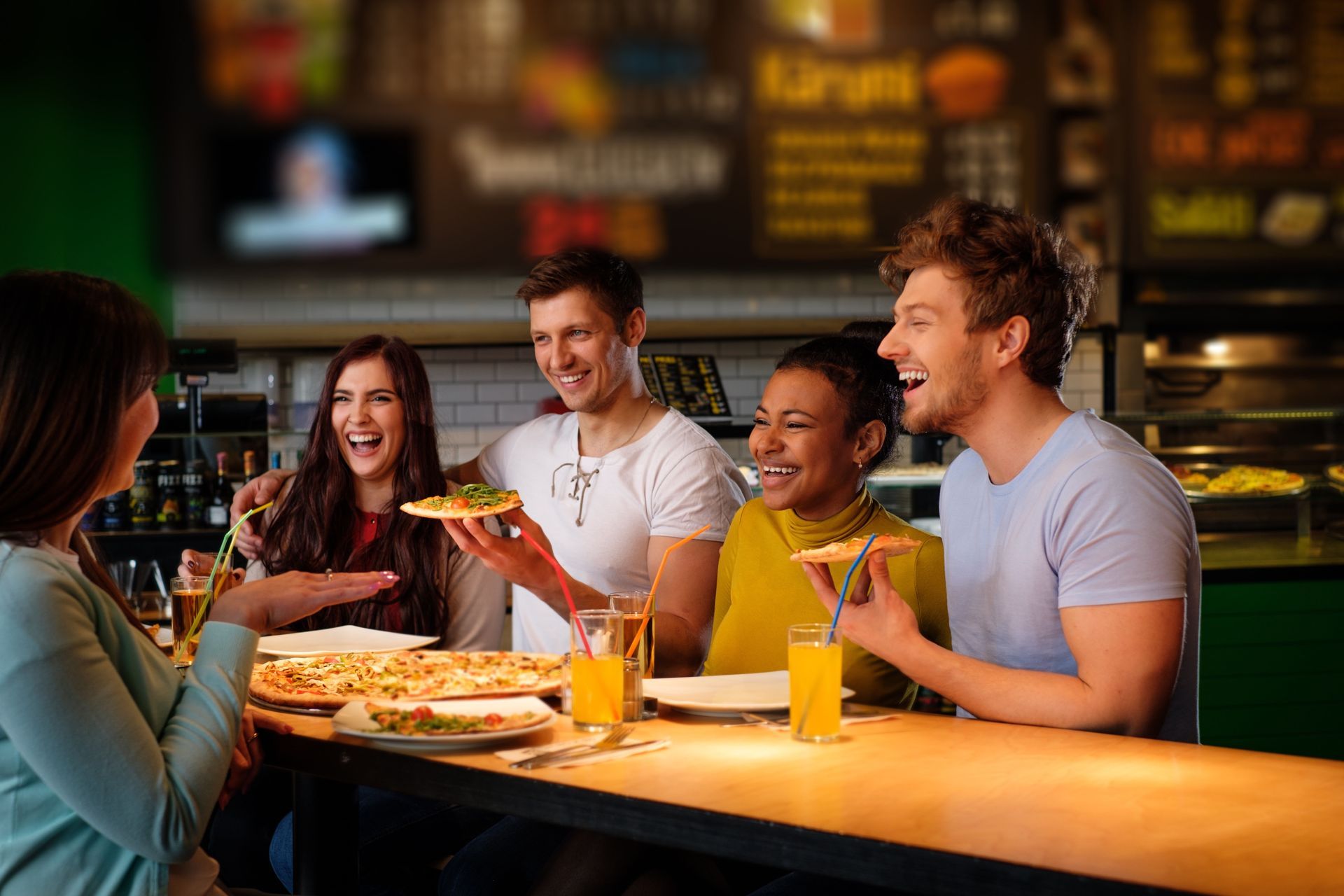
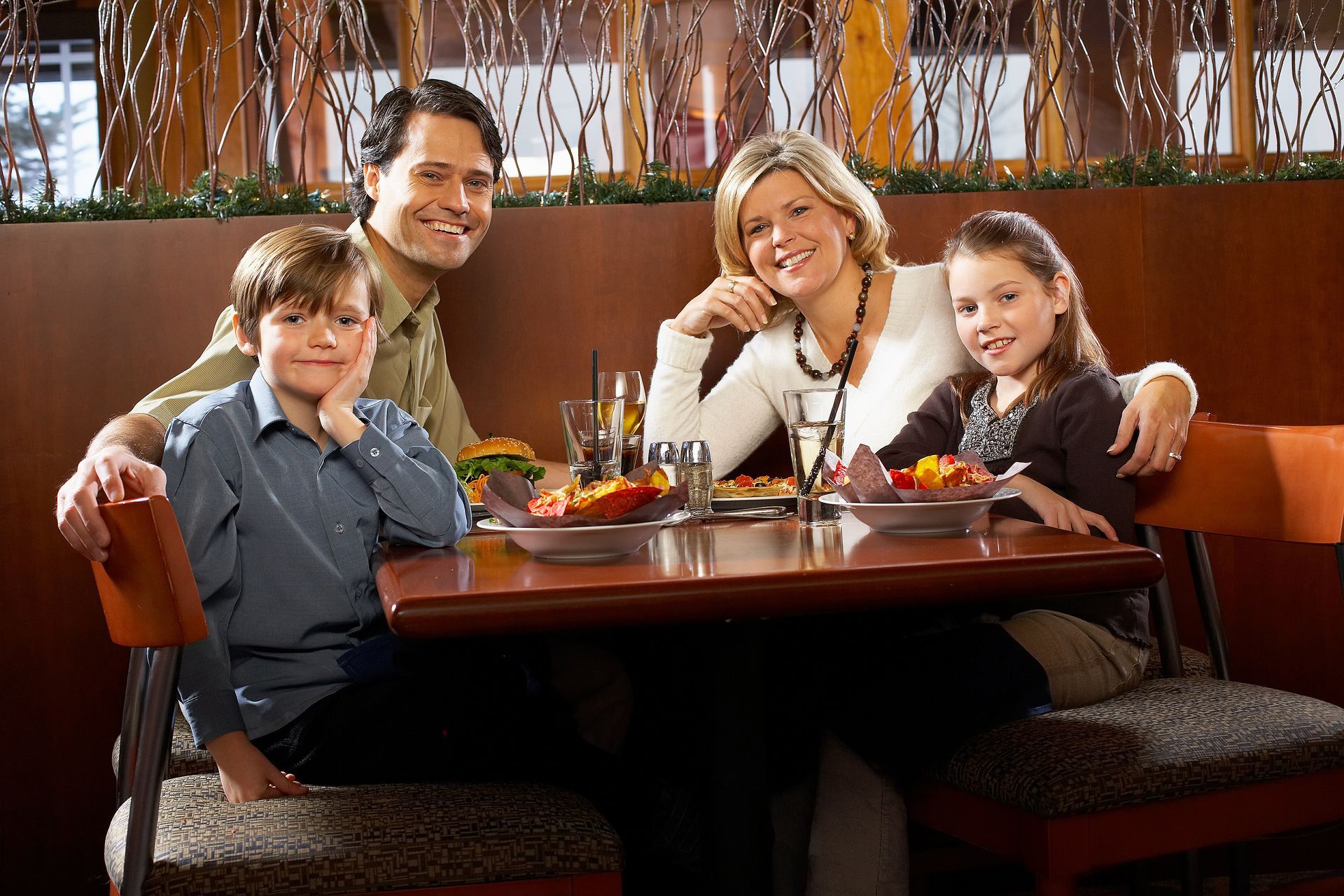
Food sensitivities, dietary restrictions, and the particular preferences of individuals with sensory differences around food texture and taste mean that an inclusive menu offers genuine variety rather than a token option or two that technically qualify as accommodating without truly serving the range of needs present in a diverse guest population. Restaurants that offer vegetarian options, gluten-free choices, and a broad menu that includes items across multiple flavor profiles and textures give every guest a meaningful selection rather than a limited set of alternatives that may not align with the dietary reality of individuals who are managing food sensitivities alongside their other health considerations. A menu that serves breakfast, lunch, and dinner with options including pancakes, omelets, salads, wraps, burgers, nachos, tacos, chicken dishes, and more creates a breadth of choice that makes it easier for groups with varied dietary needs to find something every member of the party can genuinely enjoy.
Extending the Experience to Outdoor Dining for Added Comfort
Outdoor dining provides a naturally lower-sensory alternative for guests who find enclosed dining rooms challenging, and restaurants that offer covered outdoor patio seating give these guests a viable option that still provides shelter from the elements without the acoustic and visual compression of an indoor environment. The availability of outdoor seating also offers practical benefits for families with young children, individuals with anxiety about crowded indoor spaces, and guests who simply prefer to dine in natural light and fresh air as a matter of personal preference rather than sensory necessity. Restaurants that treat outdoor dining as a fully integrated and equally appealing option rather than a secondary overflow accommodation create a more complete and more genuinely flexible guest experience that serves the full spectrum of preferences and needs within any diverse group.
The design choices that make a space truly inclusive — from acoustic management and accessible layouts to diverse staffing, broad menus, outdoor dining options, and community-building events — are not incidental details but the deliberate anatomy of an environment built to serve every person with equal dignity and equal welcome. Cafes that make these choices are not simply meeting a compliance standard or serving a niche market — they are leading a broader cultural shift toward the understanding that public spaces belong to everyone and that designing with that truth in mind produces better experiences for every guest, not just those whose needs are most visibly accommodated.
So Much To Give Inclusive Cafe has proudly served the Skippack, PA community from their location at 3401 W Skippack Pike in Cedars, offering breakfast and lunch service Wednesday through Sunday, dinner service Friday and Saturday, an outdoor covered patio, private event hosting, game nights, workshops, first-floor handicapped accessible dining and restroom facilities, elevator access to the second floor, and a mission-driven dining experience staffed by over 60 employees including individuals with disabilities, all backed by a vegetarian and gluten-free menu, reservations available, and the deeply held community values of the restaurants that truly lead by example in the greater Skippack and Montgomery County area. For more information, contact us today!








Share On: