
More Than Just a Ramp: What Real Wheelchair Accessibility Looks Like in Modern Coffee Shops
True inclusion in a hospitality space requires going far beyond the minimum standards dictated by local building codes. For a person using a mobility device, a meal out is rarely as simple as rolling through the front entrance and ordering at the counter. True spatial dignity means ensuring that every stage of the customer journey is intuitive, comfortable, and entirely equitable.
Does Your Digital Entrance Offer Clear Accessibility Details?
A guest’s experience with a cafe begins long before they physically arrive at your front door. For individuals with mobility challenges, planning a simple outing requires extensive research to avoid frustrating physical barriers. According to TouchBistro, 81% of operators have a website for their restaurant. However, very few businesses utilize this valuable digital real estate to clearly outline their physical layout, door widths, or parking configurations. Providing high-quality interior photographs and explicit statements about seating heights on your website eliminates guesswork for your patrons.
By detailing your step-free entry points or the availability of van-accessible parking spaces online, you alleviate the pre-arrival anxiety that many diners experience. This digital transparency allows individuals to plan their visits with confidence, knowing exactly what to expect when they roll through your doors. When a cafe destination proactively shares these logistical details online, it sends a powerful message that all customers are expected and valued.
Are Your Entrance Pathways Truly Free from Physical Barriers?
A concrete ramp is often viewed as the ultimate solution for structural access, but its presence means very little if the surrounding path is flawed. Heavy manual entry doors present an immediate challenge for anyone trying to balance a hot beverage while steering a wheelchair or pushing a walker. Even a slight lip at the threshold can cause a jarring and dangerous halt for small front wheels. Installing automatic push-button openers or sensor-activated sliding doors instantly transforms a frustrating obstacle into a welcoming, effortless transition that accommodates everyone, including parents pushing heavy strollers.
Furthermore, keeping walkways entirely clear of seasonal patio furniture, chalkboard signs, and transient delivery boxes is vital for maintaining a safe path of travel. Daily vigilance ensures that an outdoor seating area expands your business rather than shrinking the neighborhood sidewalk. True welcoming design ensures that the physical approach to the building requires no extra physical exertion or awkward maneuvering from your guests, setting a positive tone before they even order.
Is Your Counter Ordering Area Designed for Face-to-Face Interaction?
High, towering transaction counters instantly create an uncomfortable physical and social barrier between your team members and seated patrons. When a guest in a wheelchair has to crane their neck or shout upward just to pay for an espresso, the hospitality experience feels compromised. This structural divide can make patrons feel disconnected from the vibrant energy of the shop, turning a simple transaction into an alienating ordeal.
A modern, thoughtful cafe layout resolves this issue by integrating a lower, dedicated section of the counter explicitly designed for eye-level engagement. This lowered transaction space should also keep payment terminals, napkin dispensers, and condiment stations within a comfortable, forward-reaching zone. By bringing the interaction down to an inclusive level, barista-to-customer communication becomes natural, warm, and highly personalized. Designing your point-of-sale area with these proportions in mind allows every single customer to order and pay with absolute independence and personal dignity, proving that excellent customer service is built entirely around human connection.
Do Your Seating Layouts Provide Ample Space for Maneuvering?
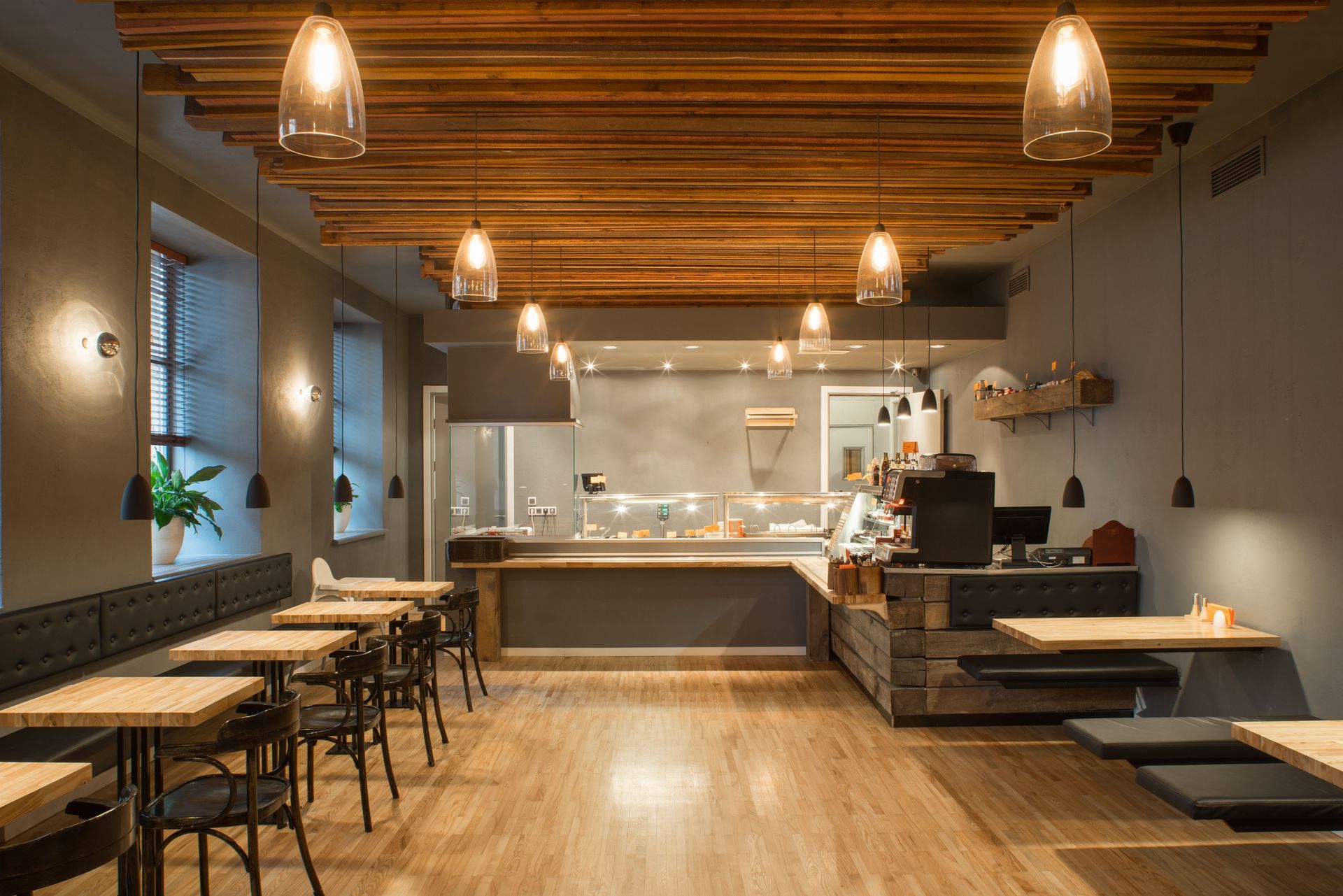
A tightly packed floor plan might maximize table counts, but it frequently renders a dining room completely impassable for individuals using mobility aids. A truly accessible dining space maintains wide, clear pathways between tables so that guests can navigate the room without asking strangers to move their chairs. This spaciousness prevents the embarrassing scenario where an entire section of diners must stand up just to let one person pass by to their seat.
Furthermore, opting for sturdy, standalone tables rather than fixed booths or high-top communal bars provides the structural flexibility needed to accommodate diverse physical needs. Ensuring that table bases feature a flat design rather than bulky pedestal legs allows a wheelchair to roll underneath comfortably without obstruction, providing adequate clearance for knees and armrests. By prioritizing generous spacing throughout your dining room, you create an environment where everyone can move freely, safely, and without drawing unwanted attention, making the layout feel intentionally open rather than restrictively crowded.
Are Your Restroom Facilities Engineered for Complete Personal Independence?
An accessible restroom requires far more than just a blue wheelchair symbol taped to the outside of the door. The interior space must provide a generous turning radius that allows a large motorized chair or a guest with an assistant to rotate a full 360 degrees smoothly. Grab bars must be anchored securely at precise, ergonomic angles, and sinks must feature open space underneath so a seated guest can pull up close to the basin. This knee clearance is vital, as it prevents patrons from having to awkwardly stretch sideways just to wash their hands.
Additionally, placing soap dispensers, paper towel holders, and mirrors at a lowered height ensures that basic hygiene tasks do not require reaching or straining. Standard elements like heavy, stiff doors should be replaced with easy-to-latch hardware that requires minimal grip strength to operate. When a cafe invests in a fully optimized, barrier-free restroom, it demonstrates a deep respect for the privacy and comfort of every patron, ensuring that a basic human necessity never becomes a source of stress or indignity during a simple coffee outing.
Does Your Staff Receive Comprehensive Training in Inclusive Hospitality?
Physical modifications form the foundation of an accessible business, but the daily attitude and awareness of your team members bring that space to life. Employees should be trained to speak directly to a customer using a mobility device, rather than directing their questions to an able-bodied companion or caregiver. Cafe staff members should also understand how to clear pathways subtly and assist with carrying items to tables without being overly patronizing or making a scene. Understanding the proper terminology and showing natural, relaxed courtesy ensures that guests with disabilities feel viewed as valued patrons rather than logistical burdens. A well-trained, empathetic team creates an atmosphere of belonging that no amount of physical infrastructure can replicate on its own.
Are You Frequently Reviewing the Daily Flow of Your Space?
Maintaining an accessible environment is an ongoing, daily commitment that requires constant vigilance as the natural flow of business shifts. A pathway that was perfectly clear at opening can easily become blocked by high-chair storage, rolling trash bins, or restocking boxes by mid-afternoon. Regularly walking your floor plan from a lower, seated perspective can reveal surprising blind spots, such as low-hanging decorations or poorly placed floor mats that catch on small wheels. Actively soliciting feedback from customers with diverse mobility needs allows you to catch and fix these subtle operational friction points before they ruin a guest's experience. Committing to regular spatial audits ensures your business remains consistently open, inviting, and safe for your entire community.
Creating a fully accessible neighborhood hangout requires looking past the bare legal minimums to build an environment that champions equity and personal dignity at every turn. If you are ready to experience what true, intentional hospitality feels like in action, come visit us today. Join the community table at So Much To Give Inclusive Cafe, where every detail of our beautiful space is purposefully designed to welcome, empower, and celebrate everyone exactly as they are.









Share On: