
How a Family Cafe Benefits From Strong Restaurant Demand
The modern dining landscape continues to experience vibrant expansion as consumer preferences shift toward convenient meal solutions, social dining experiences, and welcoming community spaces. Neighborhood food establishments play a central role in everyday life, serving as gathering hubs for multi-generational families, remote workers, casual morning commuters, and weekend social groups. Among the diverse array of food service models, small-scale dining spots that cater directly to parents, children, and relatives occupy a remarkably resilient position in local economies. When broader consumer spending on food prepared away from home rises, neighborhood establishments gain significant momentum. A dedicated family cafe stands to benefit immensely from this sustained industry growth, leveraging its unique atmosphere, versatile menu offerings, and strong community ties to capture market share. Understanding how overall dining demand strengthens small, hospitality-focused enterprises reveals why multi-generational dining concepts continue to flourish. By aligning operations with shifting guest preferences, these cherished neighborhood spots turn general market interest into loyal, repeating patronage while building a sustainable foundation for long-term commercial success.
Harnessing Local Foot Traffic
Capitalizing on heightened consumer dining activity allows a neighborhood eatery to increase daily customer counts through consistent pedestrian movement. As people spend more time dining out, commercial districts, shopping centers, and residential corridors see a steady influx of visitors seeking quick bites, warm beverages, and relaxing sit-down meals. A welcoming family cafe naturally attracts diverse customer segments throughout the day, drawing in morning parents grabbing espresso after school drop-offs, mid-day remote workers, and late-afternoon family groups gathering for early dinners. Positioning a business within high-traffic community hubs ensures that general dining interest translates directly into immediate walk-in business. By maintaining inviting storefront displays, accessible seating layouts, and clear outdoor signage, small establishments convert casual passersby into regular guests effortlessly. Higher overall consumer movement through local commercial zones amplifies brand visibility, shortens the customer acquisition cycle, and keeps dining rooms comfortably filled across varied meal times without requiring excessive promotional expenditures.
Diversifying Revenue Streams
Expanding operational offerings beyond standard dine-in service enables a neighborhood dining spot to capture revenue from multiple customer touchpoints during peak industry growth. Robust consumer dining interest extends far beyond traditional table service, creating substantial demand for takeout orders, curbside pickup, off-site event catering, and private party room rentals. A forward-thinking family cafe maximizes its revenue potential by offering convenient online ordering options for busy parents on the go, customized catering packages for children's birthday celebrations, and packaged retail items like artisanal coffee beans or branded merchandise. Diversifying service delivery channels ensures that the business remains resilient against seasonal foot traffic shifts while accommodating varied customer lifestyles. Catering to busy family schedules with rapid takeaway solutions captures sales from patrons who desire wholesome meals but lack time for full table service. According to the National Restaurant Association, the restaurant industry is expected to employ 15.9 million people in 2025, adding approximately 200,000 new jobs, demonstrating continued growth for establishments such as family cafes. This steady workforce expansion underlines the overall strength of the hospitality sector, illustrating how growing consumer demand fuels operational expansion across diverse service channels.
Building Customer Loyalty
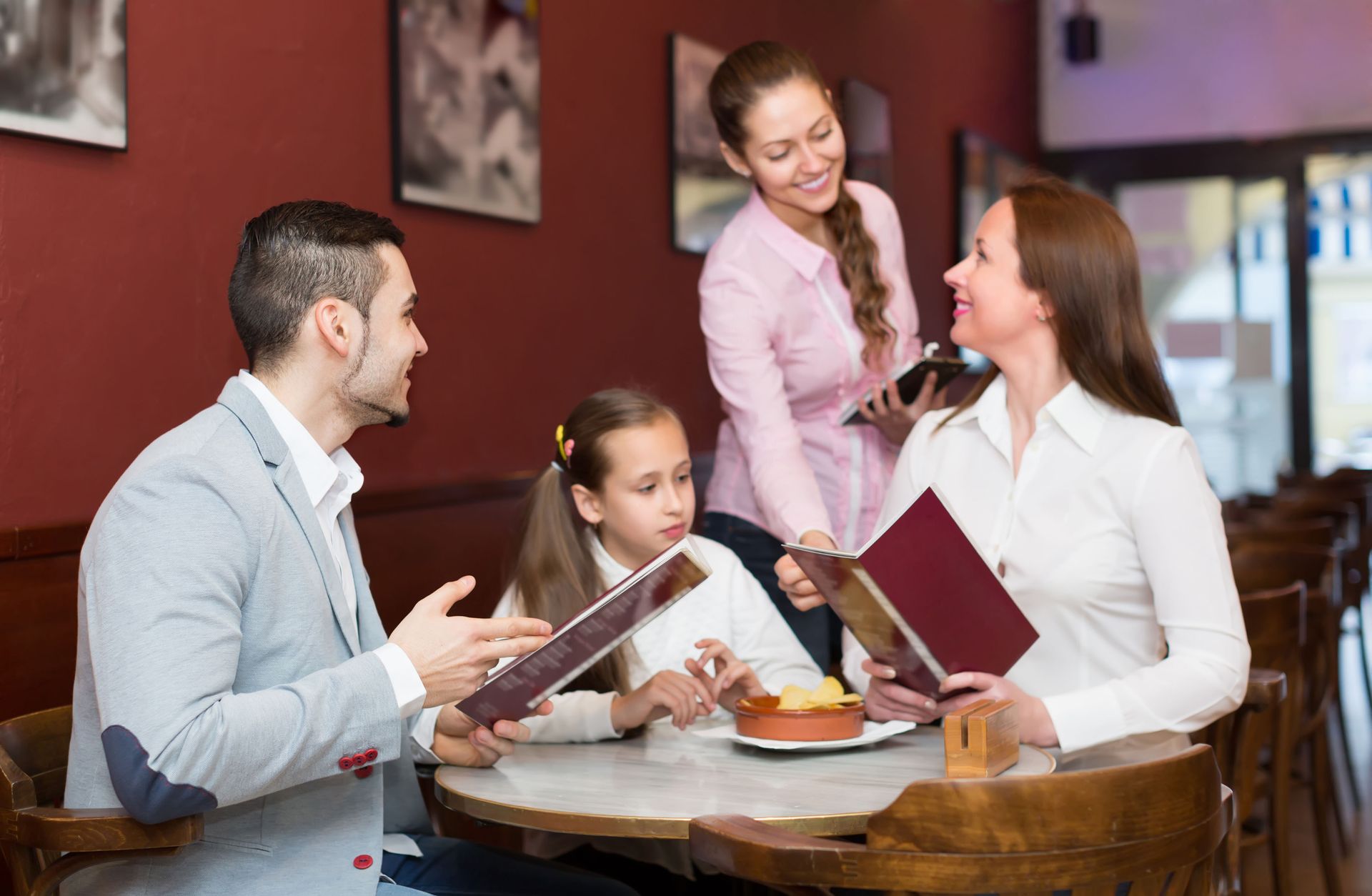
Fostering deep personal connections with neighborhood residents transforms casual visitors into lifelong brand advocates who support the business consistently. While large commercial dining chains often struggle to deliver personalized service, a community-focused family cafe excels at creating warm, memorable dining experiences tailored to guests of all ages. Staff members learn the preferences of regular visitors, greet children by name, and accommodate special dietary requirements with genuine care and enthusiasm. Implementing structured customer loyalty programs, hosting special weekend family events, and maintaining interactive play corners for young children reinforces a positive emotional connection with the brand. Satisfied parents frequently share their pleasant dining experiences with friends, school groups, and local social media communities, generating powerful organic word-of-mouth marketing that drives steady new customer acquisition. Strong guest retention stabilizes monthly revenue streams, lowers overall marketing expenses, and creates a protective buffer against broader economic fluctuations, ensuring that the establishment remains a cherished local landmark.
Optimizing Menu Versatility
Designing a flexible, broad-appeal menu allows a specialized dining establishment to satisfy varied dietary preferences and age groups under one roof. Multi-generational dining outings often present ordering challenges, as parents seek nutritious options, children desire familiar comfort foods, and older relatives prefer lighter fare or specific dietary accommodations. A well-curated family cafe menu bridges these generational gaps by featuring wholesome ingredients, customizable kids' meal combinations, allergy-friendly choices, and gourmet coffee beverages. Offering versatile meal options across breakfast, lunch, and early evening hours encourages longer customer stay times and higher average ticket totals per table. Furthermore, adjusting menu selections seasonally to incorporate fresh local produce keeps the dining experience exciting for returning patrons while controlling food cost margins effectively. Crafting a balanced menu that pleases picky toddlers and discerning adults alike removes dining friction for households, making the local establishment the undisputed top choice for group meals, weekend brunches, and spontaneous mid-week treats.
Streamlining Daily Operations
Implementing efficient service workflows and modern technology platforms ensures that an active dining establishment handles high customer volume without compromising quality or service speed. Growing consumer demand brings larger crowds during peak hours, necessitating seamless kitchen communication, rapid table turnover, and precise inventory management to prevent service bottlenecks. A well-managed family cafe utilizes modern point-of-sale systems, digital kitchen display screens, and automated inventory tracking tools to keep operational processes running smoothly. Cross-training staff members across various front-of-house and back-of-house roles ensures that team members adapt quickly when sudden rushes occur. Maintaining clean, organized prep stations and standardized recipe guidelines preserves food quality consistency regardless of how busy the dining room becomes. Efficient operational management reduces guest wait times, minimizes food waste, and lowers employee stress levels, creating a positive work culture that translates directly into attentive, friendly customer service during high-volume meal periods.
Enhancing Community Connections
Strengthening partnerships with local schools, neighborhood associations, and non-profit organizations solidifies a dining spot's position as an indispensable community anchor. Modern consumers increasingly choose to support businesses that demonstrate authentic social responsibility and active local involvement. A community-centered family cafe enhances its brand reputation by sponsoring youth sports teams, hosting charity fundraisers, participating in neighborhood festivals, and offering meeting space for local clubs. These community-oriented initiatives generate immense goodwill while introducing the business to fresh audiences who value purpose-driven commerce. Collaborative efforts with nearby small businesses, such as featuring locally sourced bakery goods or partnering with neighborhood artisans, further deepen commercial ties within the district. Establishing deep roots within the immediate neighborhood builds an intensely loyal customer base that views supporting the establishment as an investment in their own community's vitality and social cohesion.
Sustained growth across the broader dining industry creates incredible momentum for neighborhood food establishments that prioritize welcoming atmospheres, multi-generational appeal, and outstanding guest hospitality. By harnessing foot traffic, diversifying revenue streams, building customer loyalty, optimizing menu versatility, streamlining operations, and enhancing community connections, a dedicated family cafe captures lasting commercial success in an expanding market. Providing a warm, accessible space where individuals of all ages and abilities feel valued elevates the dining experience beyond a simple meal, turning everyday visits into meaningful social connections. At So Much To Give Inclusive Cafe, we take immense pride in fostering an inclusive, welcoming environment where families gather to enjoy delicious food, warm hospitality, and a vibrant community atmosphere. Contact us today to learn more about our inspiring mission, reserve a table for your next family gathering, or discover how we celebrate inclusion and community togetherness every single day.









Share On: